


In the security field, guards can take on a wide range of roles, such as executive protection, patrolling, event security, mobile response, and monitoring. Some duties are shared across all guards, while some professionals may choose to focus on specialized areas, such as access control.
In this guide, we cover the role of an access control security guard: the environments you may work in, typical schedules, key duties and additional responsibilities, the top skills and qualities you need, and how to become qualified and apply for these positions.
What is an Access Control Security Guard?
An access control security guard focuses on regulating who enters and exits a facility or sensitive area, using either manual logs or electronic access control systems.
Work Environments
Access control guards work in a range of different environments, including:
- Office buildings and corporate campuses
- Government facilities
- Private properties and gated communities
- Industrial sites
- Airports
- Hospitals
- Schools
- Research facilities
- Parking lots
Schedule
Shifts for access control guards include mornings, evenings, nights, weekends, and holidays, depending on the site’s operational hours.
Some positions require monitoring multiple access points, while others may involve desk-based electronic monitoring.
Guards might also need to control access for scheduled events, which can temporarily extend or shift normal working hours.

Key Duties of Access Control Security Guards
Access control guards have specific duties that they carry out each day, such as:
- Monitoring entrances and exits
- Verifying employee and visitor credentials
- Approving or restricting access to individuals and vehicles
- Enforcing denial-of-entry procedures
- Maintaining security logs and records
- Responding to alarms
- Investigating security incidents
Additional Responsibilities
Guards in these roles may also have other tasks and responsibilities that their employer or the client requires them to complete.
Some extra responsibilities you may be expected to perform include:
- Conducting routine patrols of assigned areas
- Overseeing visitor sign-in and sign-out procedures
- Frisking or screening individuals when required
- Issuing temporary badges or access passes
- Monitoring surveillance cameras
- Coordinating with management or law enforcement
- Assisting during evacuations or emergency situations
- Reporting safety hazards or suspicious behavior
In certain cases, you may not be hired solely as an access control guard. Instead, access control may make up one portion of your overall responsibilities. Even if access control makes up only a portion of your responsibilities, you still need to know how to perform those tasks and be capable of doing so to the best of your ability.

Top Skills and Qualities You Need to Be an Effective Access Control Guard
If you want to be a valuable and reliable access control security guard, you should ideally possess the following skills and qualities:
Skills
- Communication: You’ll be regularly interacting with employees, visitors, and other security personnel. This means you need to have communication skills that include knowing how to use communication systems, provide information clearly under pressure, and interact professionally with visitors and staff members.
- Interpersonal: You need strong people skills to manage daily interactions at entry points, which include remaining approachable and being respectful while enforcing site policies. You should be able to read body language to know when someone may be nervous or agitated, and be able to have cooperative interactions with a wide range of individuals.
- Conflict Management: You must be able to handle and manage tense situations calmly using de-escalation techniques and remain composed as you follow proper procedures if someone becomes argumentative or refuses to comply.
- Time Management: Since shifts often involve monitoring multiple access points, completing reports, and responding to incidents, you must be able to manage your time efficiently. Time management skills also include prioritizing tasks during busy periods and balancing routine duties with unexpected situations.
- Observational Memory: You should be able to remember faces and license plates, as well as various security procedures, so you can recognize patterns and detect potential issues faster. Memory skills are often built through consistent repetition and practice, and should never be overlooked by guards.
- Technical Proficiency: Modern access control often involves electronic systems, CCTV, security software, and Microsoft Office tools (Excel, Outlook, Word). Being comfortable with technology helps you monitor, record, and manage access without delays or errors.
Qualities
- Attention to Detail: The best access control guards will have strong attention to detail, which means they notice small discrepancies in credentials, spot unusual behavior, follow complex procedures accurately, and keep thorough records.
- Calm Demeanor Under Pressure: During your access control duties, you’ll likely face chaotic situations, like unauthorized entry attempts or alarms. In these situations, you’ll need to be able to think quickly and act calmly to ensure you keep control over the situation.
- Physical Fitness: Since you’ll have long hours on your feet and a need for endurance, and to perform the physical aspects of this job, you’ll have to be fit and healthy through consistent training and balanced eating habits.
- Situational Awareness: You need to stay alert to everything happening around you, including people’s behavior, vehicle movements, and unusual activity, and when you’re fully aware of everything around you, you can better anticipate potential security issues and keep the client’s premises protected.
- Integrity and Reliability: Access control guards are entrusted with sensitive areas and confidential information, so being honest, dependable, and consistent builds trust with your employer and those you protect.

How to Become an Access Control Security Guard
Ready to start working towards being a security guard? Let’s break down your path with a quick step-by-step guide:
Note: Requirements for becoming an access control security guard can vary across the country, so it’s important to verify the rules in your state before taking any action.
1. Meet the Basic Requirements
To work as any type of security guard, you must meet the minimum age requirement, which is typically 18 but varies by state.
You’ll also need to pass a criminal background check, and your eligibility depends on the severity and recency of any past offenses, as well as whether records have been expunged.
As for training, it varies, but most aspiring guards can expect some form of mandatory training.
For example, California applicants must complete power-to-arrest and appropriate-use-of-force training as per BSIS regulations. For more information, check our detailed guide on how to become a security guard in California.
In other states, candidates may also need to complete a set number of training hours to qualify for licensing, so make sure to check your local regulations through the website of the state agency that handles security guard licensing, such as the Department of Public Safety or licensing bureau.
2. Obtain State-Specific Licenses
After completing training and meeting basic requirements, you can apply for your state’s security license (sometimes called a Guard Card).
Forms and instructions are typically available on your state government’s website, where you either need to make an account to complete online or print and mail a physical copy. Applications usually take a couple of weeks to a couple of months to be processed.
3. (Optional but Recommended) Complete Security Guard Training Programs
While it’s possible to land a role without direct experience, if you want to set yourself apart from other applicants, you need to invest in your own training.
Online guard training can be completed online from any device and at any time, so you can easily fit in a few hours each week.
Some modules we suggest especially for guards interested in access control positions include:
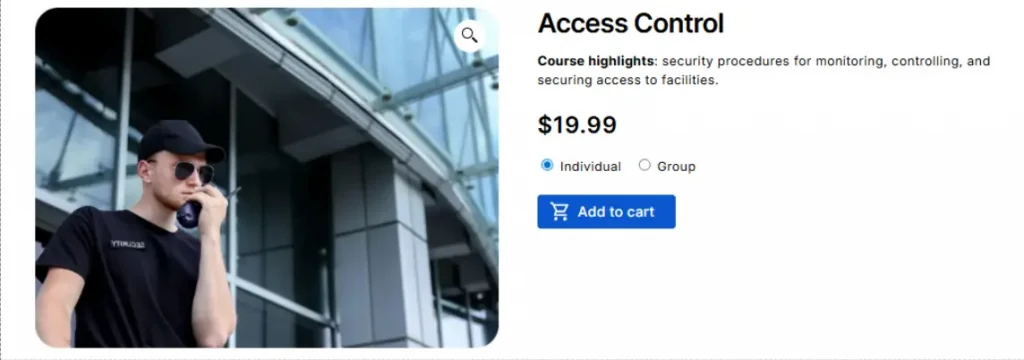
- Access Control
- Observation and Documentation
- Evacuation Procedures
- Radio Procedures
- Active Shooter Safety and Protocols
- Weapons of Mass Destruction & Terrorism Awareness
After completing these modules, you’ll receive a certificate that you can mention on your CV and show to employers to give you an advantage when applying for positions.
Even after being hired, ongoing learning keeps you effective on the job, which is why online training programs that allow lifetime access are the more cost-effective option, as they let you refresh your knowledge and practice new skills whenever needed.
4. Create a CV
The next step is to build a neat and informative CV that highlights your certifications and relevant skills. For access control positions, you may want to highlight experience with surveillance equipment or a history of enforcing site policies and maintaining security logs.
If you don’t have any previous guard experience, that’s perfectly fine, and plenty of people land access control roles without prior security work. Just include soft skills that indicate your professionalism, reliability, and good judgment.
For instance, you can write about communication skills from customer-facing roles, especially situations where you explained rules and regularly interacted with a range of individuals. If you worked as a receptionist, include that in your work history with a quick sentence such as:
“Managed front desk operations, greeted visitors, offered assistance, and provided guidance on building policies.”
In other previous roles, such as administrative assistant or data entry clerk, you can mention how you pay attention to detail by keeping accurate records, closely following instructions, and ensuring tasks are completed correctly and on time.
Since access control positions are usually performed independently, you can also talk about experience working on your own without close supervision, such as opening or closing a store or handling solo shifts where you were trusted to follow procedures and make decisions independently.
5. Apply for Access Control Positions
Once your CV is typed out and proofread, you can start applying for positions, which is where you can seek specific access control jobs.
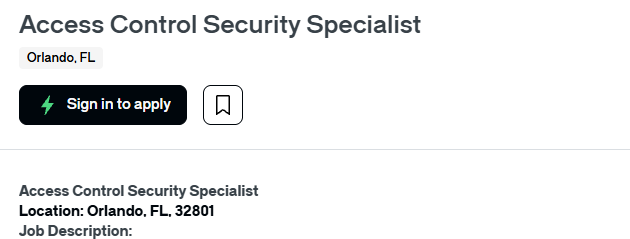
Head to websites like Indeed or Glassdoor to find opportunities from reputable employers.
You may also notice that some employers don’t directly advertise roles as “access control.” Positions like front desk security, lobby attendant, gate guard, or site security often involve access control duties as part of the role, so be sure to read the job descriptions carefully to ensure the role matches your skills and is something you genuinely want to do.
After applying, if your CV and application stand out, you’ll be invited to interviews, and (fingers crossed) the employer may offer you the role.
Take the First Step Toward Becoming an Access Control Guard
Now you know what to expect as an access control guard and the key skills and qualities you need to thrive in this role. It’s time to start working toward your certifications, build a strong CV, and confidently apply for positions that match your skills.
Just remember, success in any security guard position comes from preparation and practice, so stay focused on your goals and don’t be discouraged by any setbacks, as they’re all part of the learning process.
Whether you’re just starting out or transitioning from another role, access control offers a stable and rewarding career where you get to regularly interact with others and play a key part in keeping a facility and everyone inside it safe.
At Guard Training, we want to help any current or aspiring guard reach their full potential in any role they take on. Check out our blog for guides and advice, or look at our full list of online courses to develop your skills and advance your security career.
